
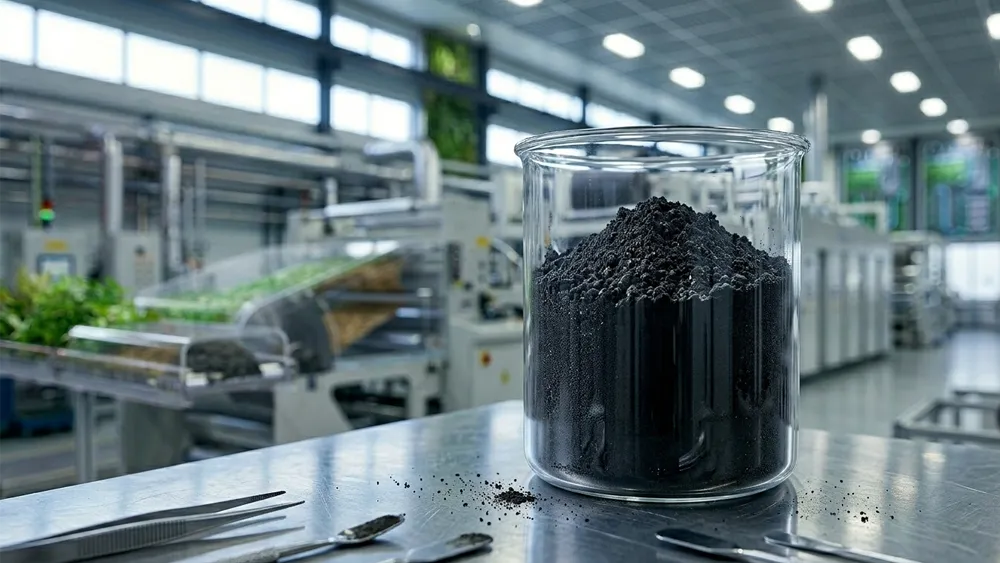

Producing nanomaterials from a variety of carbon sources

Carbon Nanomaterials

Nanomaterials such as graphene, CNTs, spheres and dots have been in development for a number of years and have shown a great number of applications from healthcare, battery technologies and concrete additives. GORD for a number of years has been working on producing carbon nanomaterials at scale using low-cost and low-carbon methods. The produced carbon nanomaterials include CO2 derived spheres and biomass derived graphene materials.

Methodology

  • Over the years GORD has looked at producing a variety of carbon morphologies from a variety of sources and a variety of methods. These include:
  • Electrochemical molten salt synthesis of CO2 captured carbonates such as Li and K to produce low-medium surface area carbon nano-spheres.
  • Pyrolysis of nitrogen doped chemicals to produce high surface area graphene like materials, the resultant materials can then be doped with a variety of metallic nanoparticles.
  • Pyrolysis of biomass such as date palm leaves and stems to produce carbon materials which can then washed with solvents that lead to high surface and porous carbon materials.
sustainable materials

Outcomes

Successful production of carbon nanomaterials of various morphologies, these materials have gone on to be used in a variety of applications and proven successful in other GORD projects. This includes metal doped nanomaterials as gas-sensing materials, carbon materials as battery electrodes and graphene materials as a cement and concrete additive.

Expected Impact

microscope graphene research lab

Commercial Impact

Creates a pathway for producing carbon nanomaterials at scale that can be sold and used for a variety of applications with proven applications in batteries, cement and gas-sensing.
plastic bottles on a conveyor belt

Economic and Env. Impact

Transforms waste biomass or CO2 into high value products, reducing the cost of the final product whilst reducing dependence on fossil-derived carbons and adding value through circular economy principles.
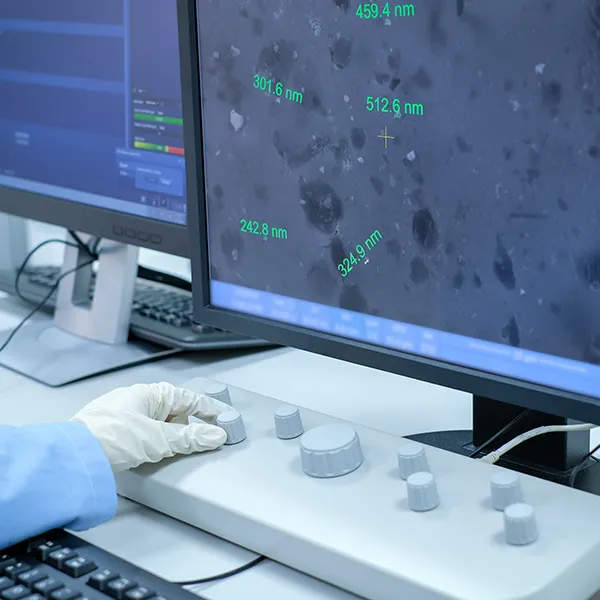
analyze nanomaterials with Scanning Electron Microscope (SEM)

Technological Innovation

Advances the field of carbon nanomaterials through patentable and published outcomes, contributing to building capacity and knowledge in Qatar.

Project ID

2019-2022  |  NPRP12S-0322-190433
Solar Thermal Conversion of CO₂ into Valuable Nanomaterials (STCC)

2025-2027  |  QASIP01-0907-230012
High Sensitivity & Selectivity Nanomaterials-based Gas Sensors

Collaborators

IMDEA Energy Institute (Spain)
Zenon (Spain)