Zinc Aqueous Batteries
Zinc Aqueous Batteries for Grid-Scale Storage
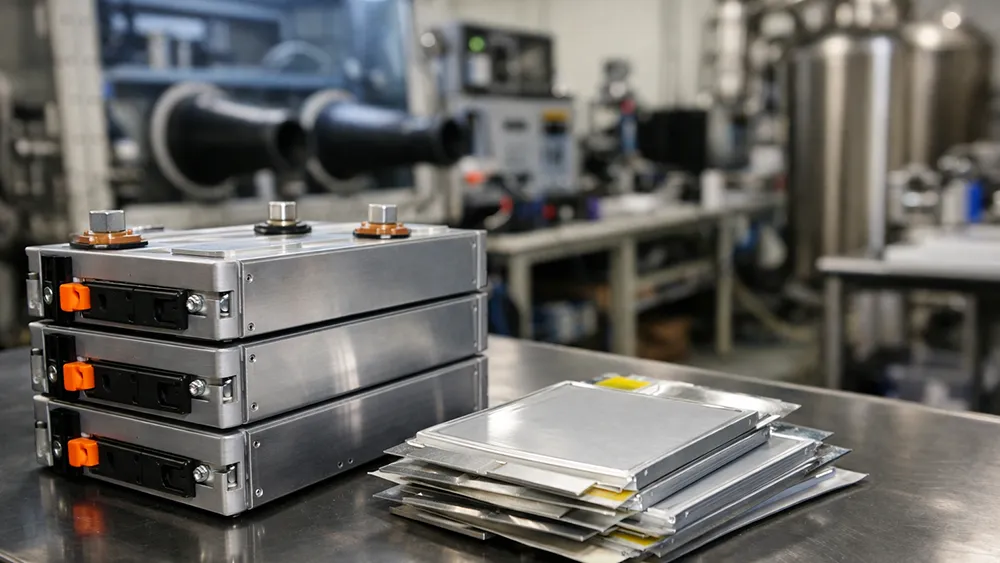
Develop advanced aqueous zinc ion batteries (AZIB) with improved electrochemical stability, high energy efficiency, and extended cycle life. The research focuses on innovative electrode structures, electrolyte optimization, and the use of sustainable materials, aiming to deliver safe, scalable, and cost-effective storage systems for large-scale energy applications.
Methodology
This project involves the development of Zinc ion batteries that are made of Zinc material anodes, carbon cathodes and aqueous electrolytes. The major issue with exist AZIBs are that the zinc anode often degrades quite rapidly drastically reducing battery performance.
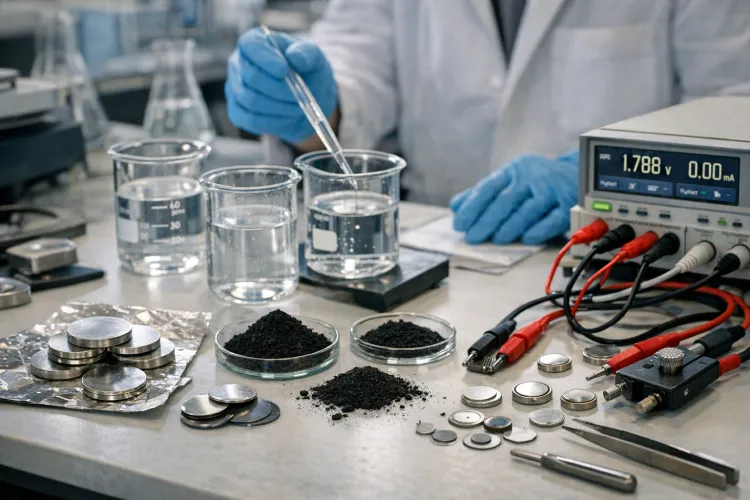
The goal of this work is to develop Zinc based anodes that are stable, this can be achieved by producing protective electrode materials like foils or separators, optimizing the structure of Zinc material or modifying the aqueous electrolyte that degrade the Zinc Anode to a lesser extent. The completed batteries are produced as coin cells which are then tested using a battery analyzer which can charge and discharge batteries at different rates over a period of time.
Outcomes
Zinc batteries have the advantage of being more environmentally friendly and safe to use as compared to existing Lithium batteries. It also reduces the dependence on dwindling and dangerous Lithium sources and instead relies on highly abundant Zinc sources. The existing issue that the current project looks to solve is that Zinc anodes are unstable (reacting and producing intermediate compounds) that drastically reduce capacity and battery performance.
Expected Impact

Provide safe, low-cost, and sustainable energy storage alternatives for grid-scale and renewable energy applications.

Employ circular economy principles by utilizing environmentally friendly binders and locally available materials.

Enhance energy storage technologies suitable for large-scale deployment in Qatar and beyond.