Low-Carbon Graphene Concrete

Graphene-Infused Concrete for Decarbonizing Construction

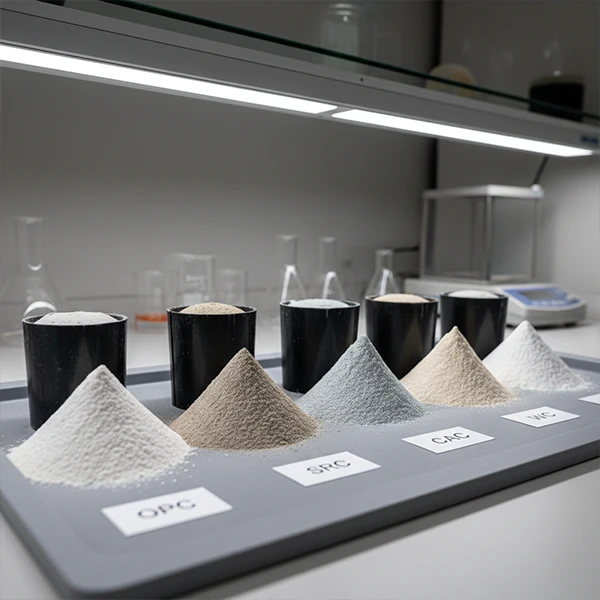
The project aims to develop and validate graphene infused concrete using Portland cement, blended cements and calcium sulfoaluminate (CSA) concrete as a high-performance, low-carbon alternative to conventional Portland cement concrete. It seeks to overcome the brittleness, durability and performance limitations of CSA and blended cements by integrating low-cost graphene nanomaterials from a variety of sources. The research targets significant reductions in cement usage, embodied carbon, and lifecycle emissions while maintaining or improving mechanical performance. Field deployment under Qatar’s extreme climatic conditions is used to confirm real-world viability. The project also aims to establish techno-economic and life-cycle evidence to enable commercial adoption. 

Methodology

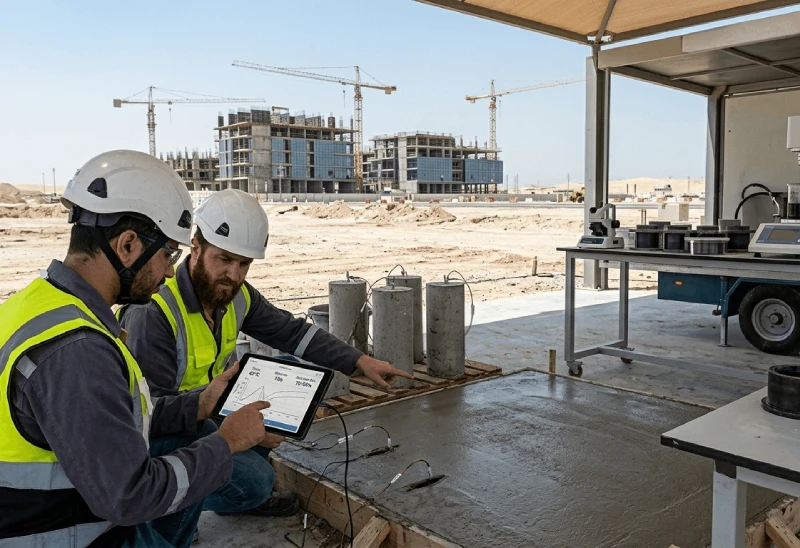
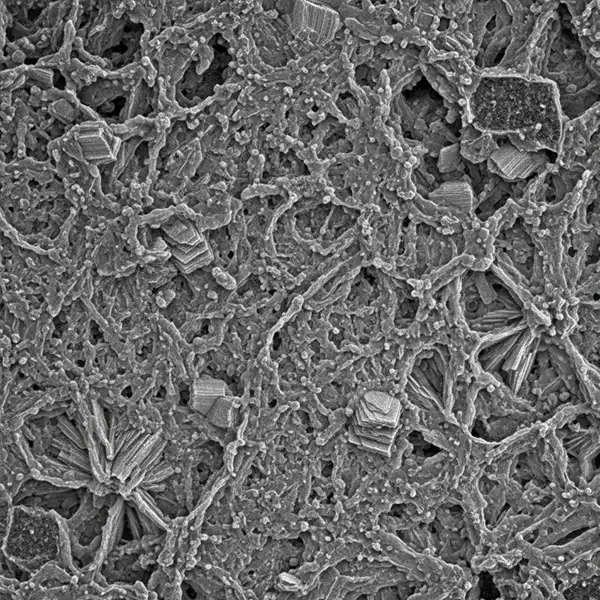
The methodology integrates material sourcing, laboratory optimization, durability testing, and field validation. Graphene sources, including bio-derived and waste-based graphene, are characterized and optimized for dispersion within CSA and blended cement systems. Concrete mix designs are developed and benchmarked against OPC and graphene-OPC formulations through mechanical, rheological, and hydration testing. Accelerated durability tests evaluate resistance to chloride ingress, sulfate attack, carbonation, and thermal cycling under Qatar-specific conditions. Full-scale field trials generate long-term performance data using sensor-based monitoring. Life-cycle assessment and techno-economic analysis quantify carbon reduction, cost competitiveness, and scalability. 

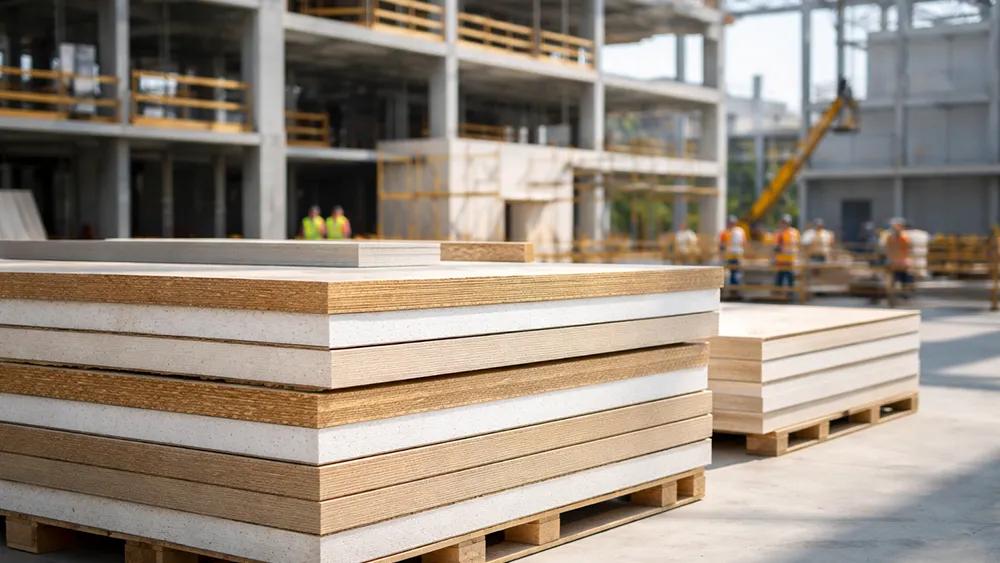
modern construction site

Outcomes

Expected outcomes include optimized graphene infused concrete formulations made up of low carbon cements, validated field performance data, quantified CO2 reductions of up to ~40% relative to OPC systems, and readiness pathways for commercial deployment and standardization. The project will deliver technical reports, peer-reviewed publications, pilot-scale demonstrations, and a patent filing covering graphene-concrete formulations and dispersion methods. 

Expected Impact

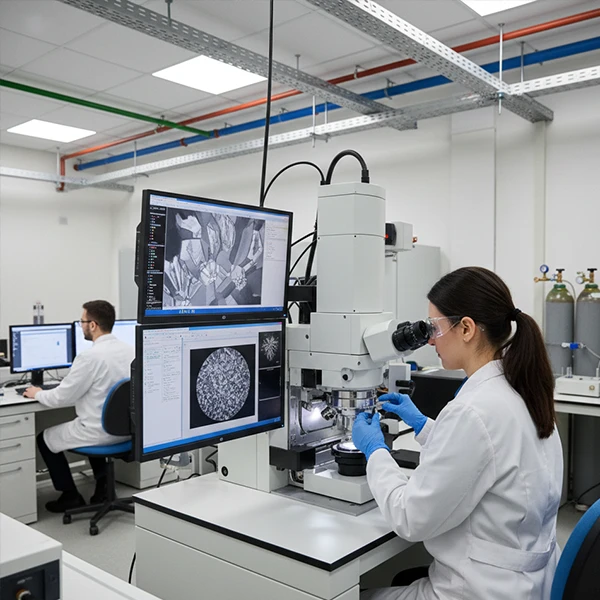
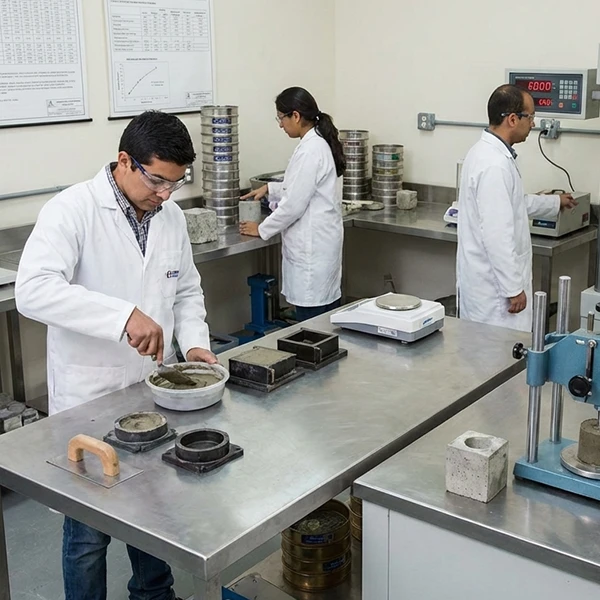
Standardized laboratory testing of cement materials using international methods.

Scientific Impact

Provides rigorous, comparative testing protocols to validate performance claims of emerging cement technologies, addressing a common gap in academic and industrial research.

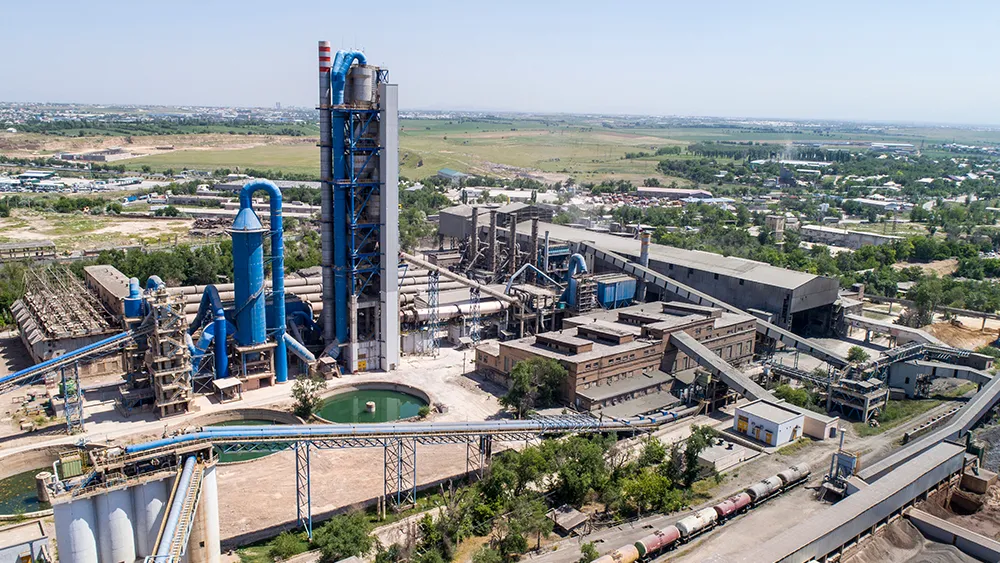
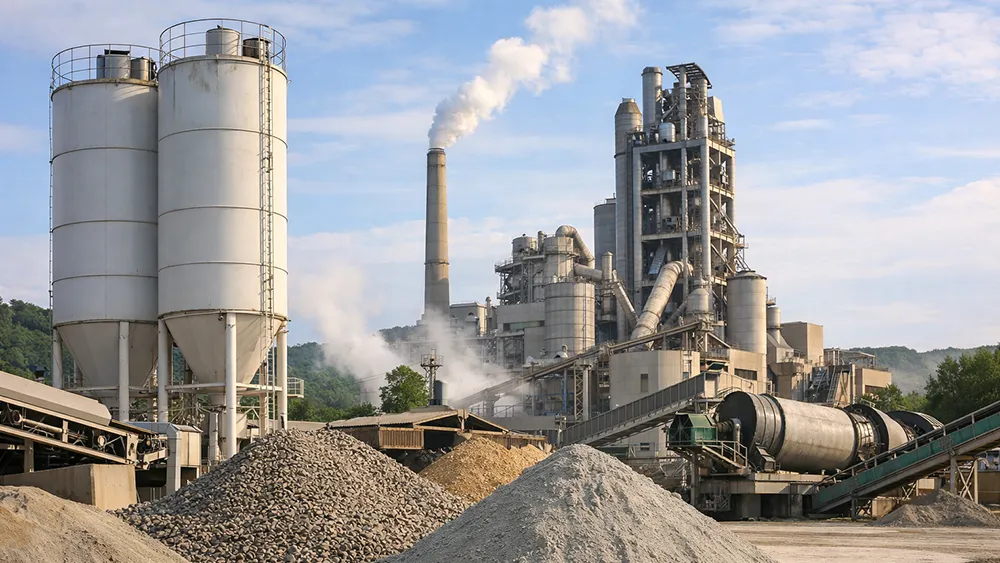
Industrial-scale production and processing of cement materials.

Industrial Impact

Enables commercial readiness of low-carbon cements and nano-enhanced binders by proving they can match or exceed Portland cement performance.

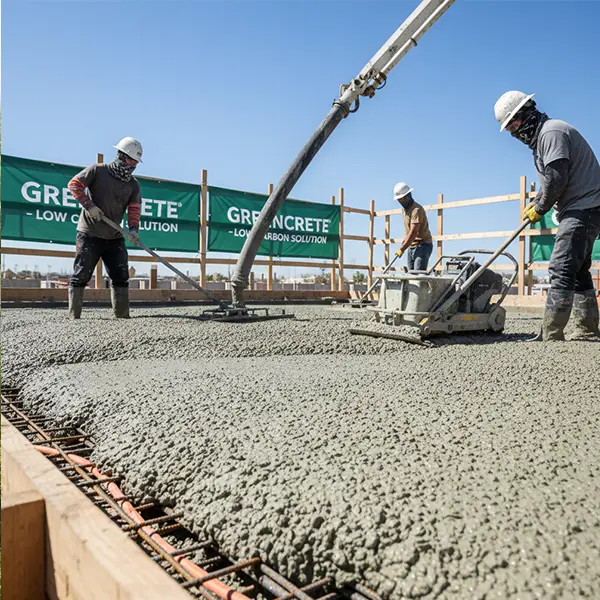
Concrete infrastructure integrated within green and urban landscapes.

Environmental Impact

Accelerates adoption of environmentally friendly cements, reducing CO₂ emissions without requiring high capital investments.
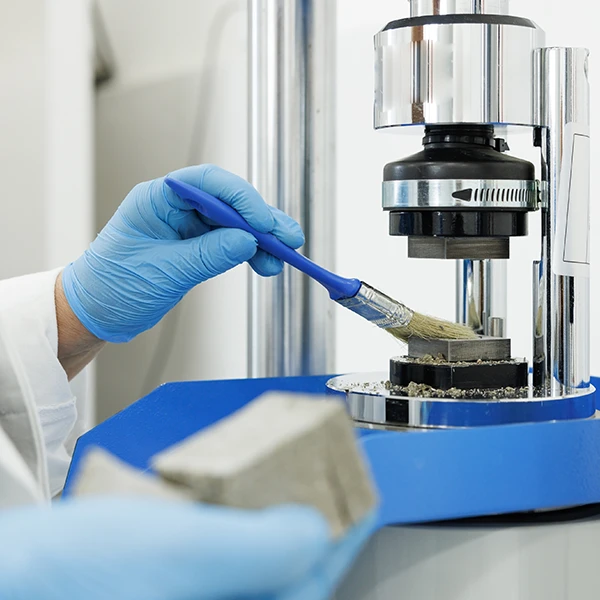
Plant laboratory for testing and monitoring cement manufacturing processes.

Market Impact

Supports the patenting and commercialization of new high-performance products that benefit both end-users (construction sector) and consumers.
Project ID

2020-2024  |  NPRP12S-0319-190413
Development of a Low Carbon and Economically Competitive Cement

2026-2028  |  CCEC02-0311-250165
(National Research Program – Climate Change and Environment Call) Sustainable and Affordable Graphene-Infused Concrete for Decarbonizing Construction

Collaborators

Qatar Shell Research and Technology Center (QSRTC)
Ministry of Environment and Climate Change