
Low-Carbon Alternative to Traditional Cements

Low-Carbon and Cost Competitive Cement

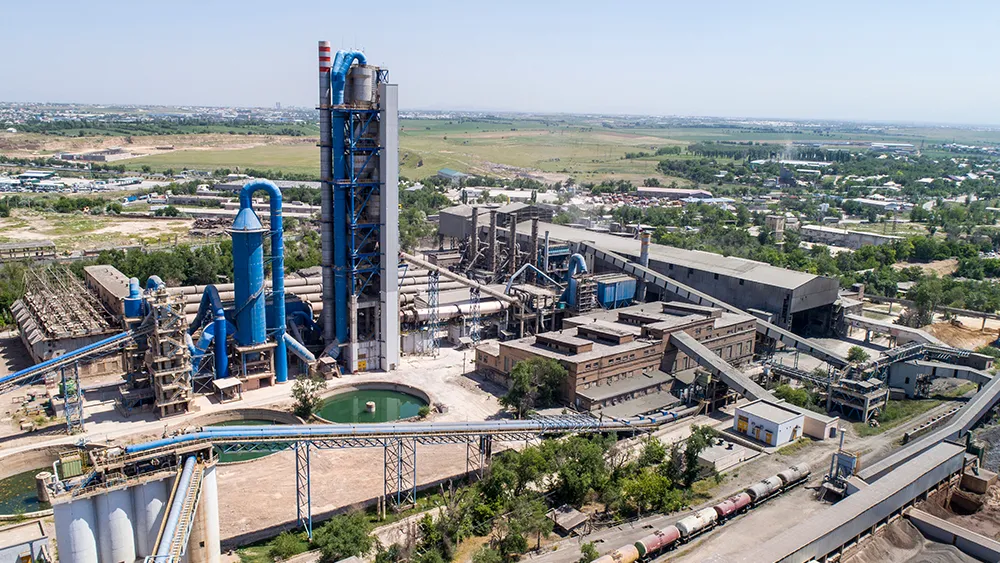
The project aims to develop a low-carbon alternative to Portland cement that remains economically competitive and compatible with existing cement infrastructure in Qatar. It focuses on stabilizing the alpha-prime belite phase to enable belite–ye’elimite–ferrite (BYF) cement formulations with reduced limestone demand and lower kiln temperatures. The project integrates thermodynamic modeling to accelerate process optimization and scale-up. Environmental and economic performance are evaluated using life-cycle assessment and techno-economic analysis. Industrial feasibility is demonstrated through pilot-scale production trials.

Methodology

Laboratory-scale clinkering experiments are conducted to identify optimal doping agents and sulfur-rich atmospheres for stabilizing alpha-prime dicalcium silicate. Thermodynamic equilibrium and Gibbs energy minimization models are developed to guide clinker formulation and process conditions. Optimized BYF compositions are produced using both analytical-grade and commercial raw materials.

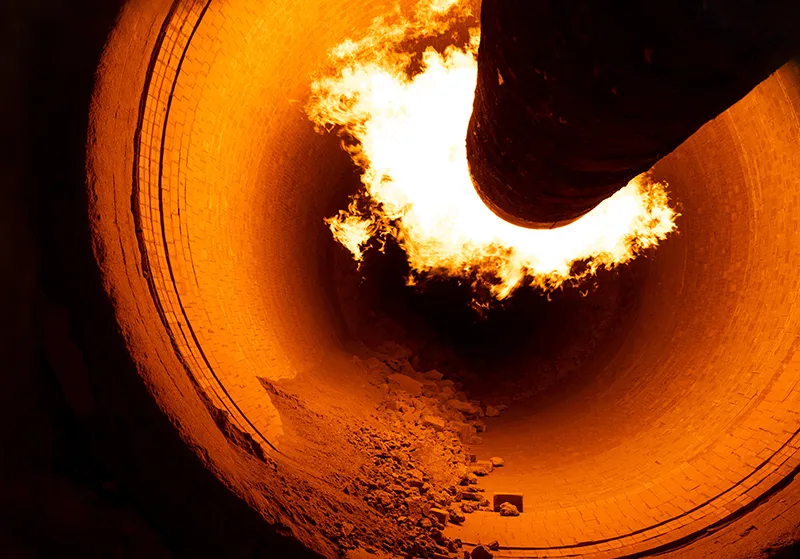
flame in rotary kiln during heating mode in cement plant

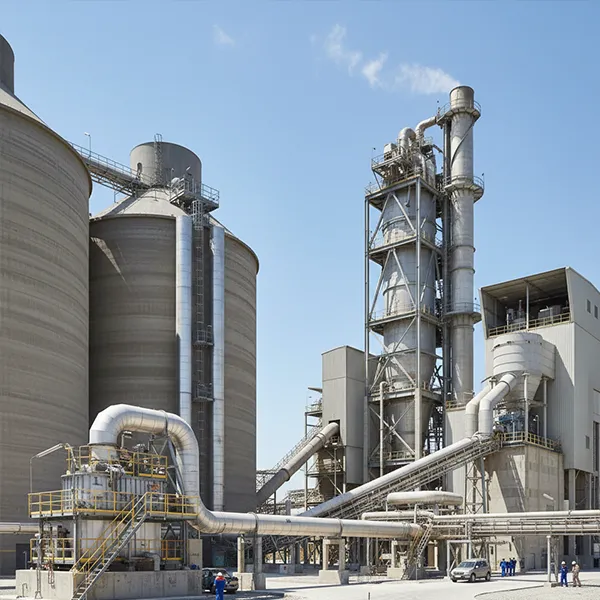
Pilot-scale kiln trials are carried out in an industrial rotary kiln to validate scalability and operational robustness. The resulting clinkers are characterized for mineralogy, hydration behavior, and mechanical performance. Life-cycle and techno-economic analyses quantify carbon reduction potential and cost competitiveness under Qatar-specific conditions.

Outcomes

The project delivers belite-rich CSA (BYF) cements with mechanical performance comparable to Portland cement and enhanced early strength development. Life-cycle analysis demonstrates up to a 23% reduction in climate impact and a 27% reduction in fuel depletion, without requiring post-combustion carbon capture. Pilot trials confirm that the process integrates into existing cement plants with minimal modification. The work generates peer-reviewed publications, international conference contributions, and an active Memorandum of Understanding with Qatar National Cement Company to support scale-up and commercialization.

Expected Impact

Environmental Impact – CO₂ Reduction & SO₂ Reuse

Environmental Impact

Significant reduction in CO₂ emissions compared to Portland cement; safe reuse of SO₂ by-product, turning a hazardous waste into a valuable input.
Economic Impact – Compatibility with Existing Infrastructure

Economic Impact

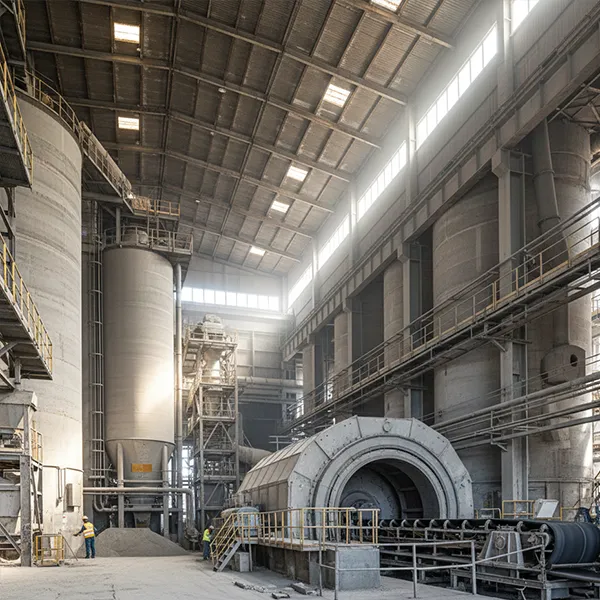
Production process compatible with Qatar’s existing raw materials and infrastructure, requiring minimal capital investment for retrofitting.
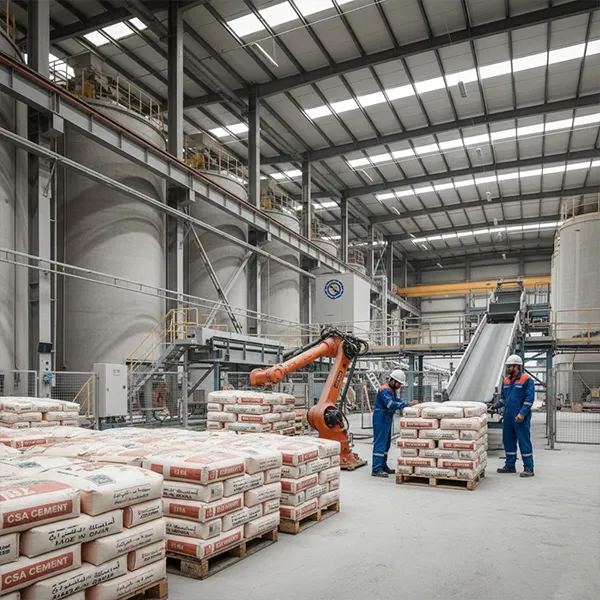
Industrial Impact – Local CSA Cement Production

Industrial Impact

Enables the creation of a new generation CSA cement in Qatar, broadening adoption beyond niche applications and enhancing local production capacity.
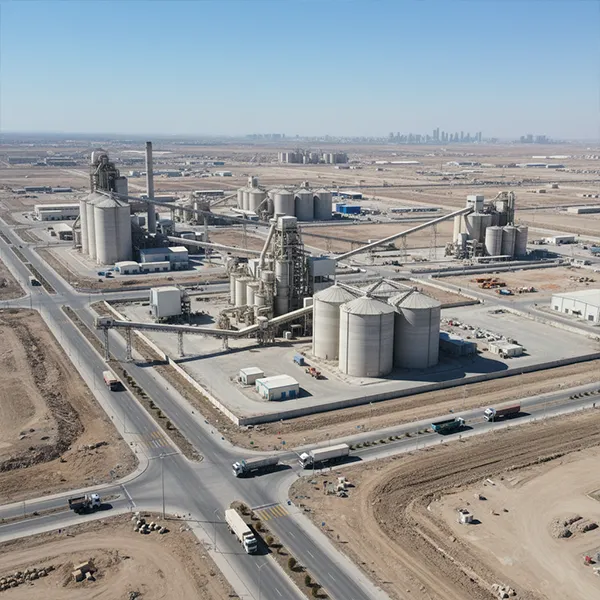
Policy / Strategic Impact – Demonstration & National Relevance

Policy / Strategic Impact

Provides data and demonstration for the viability of sustainable cement production in Qatar, supporting national environmental and industrial goals.

Project ID

2020-2024  |  NPRP12S-0319-190413
Development of a Low Carbon and Economically Competitive Cement

2026-2028  |  CCEC02-0311-250165
Sustainable and Affordable Graphene-Infused Concrete for Decarbonizing Construction

Collaborators

Bauhaus- University Weimar
University of Aberdeen
TECNALIA