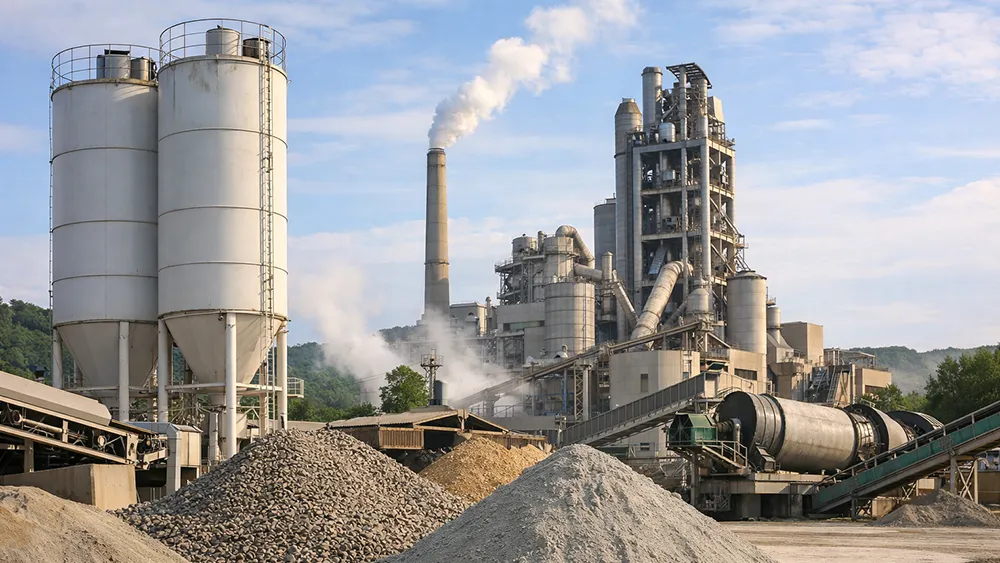
Cement Production Optimization
CEMENTO-AI: Advancing Decarbonization
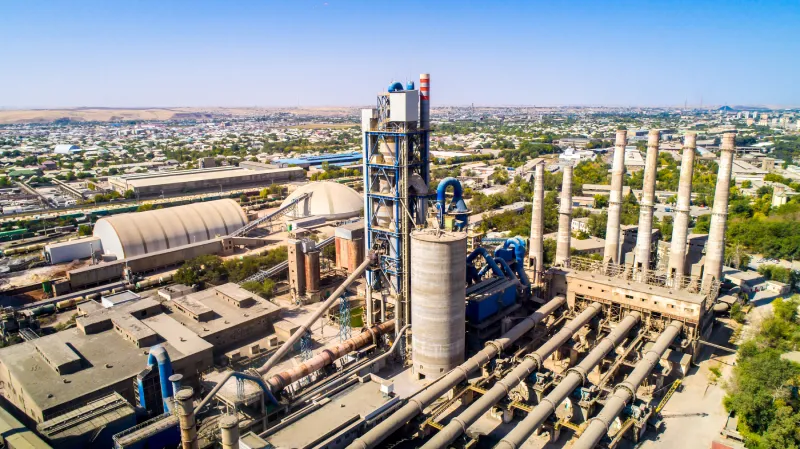
Why? Cement is the 2nd most produced substance in the world and utilizes an unchanged and energy intensive production process. With the need to reduce CO2 emissions, yet low-profit margins, existing plants find it difficult to make costly production changes.
What? The goal of this work is to develop a AI-powered platform in which manufacturers can optimize their cement production process, understand their equipment and measure their CO2 emissions in real time. Track clinker quality and future cement strengths reducing the need for laborious tests. In the age of alternative fuels and raw materials the platform can also be used to assess their viability.
Methodology
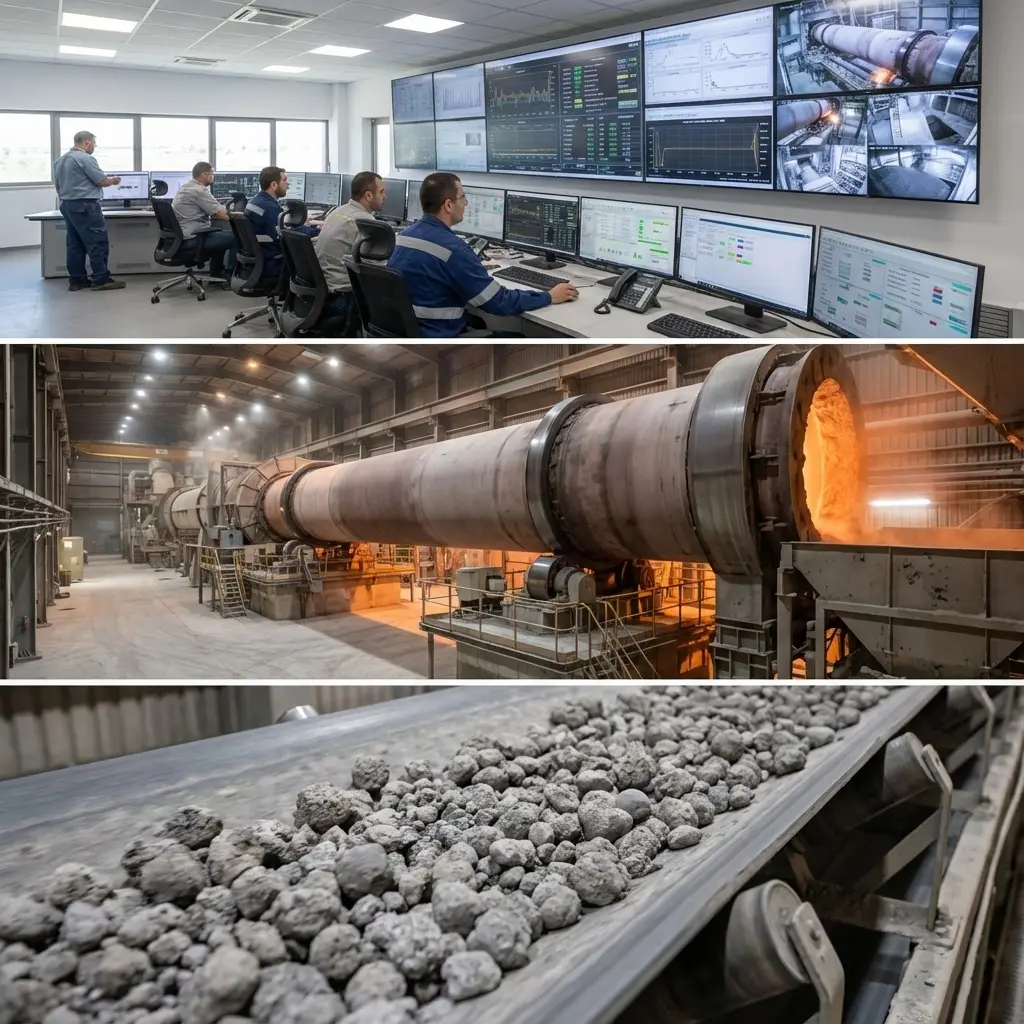
How? Starting with the foundational thermodynamic modelling expertise and knowledge that GORD has developed over the last decade and layering data directly from the cement plant, the platforms trains and learns the behaviors of that production line. The thermodynamic modelling gives the AI and physical base to learn from whilst understanding the deviations from the plant. This allows the instant output of quality control parameters when a change is detected compared to hours long delays. In real time, the health of the plant can be monitored alongside the fuel usage and CO2 emissions. This information results in recommendation presented to the Operator who then can assess and action accordingly.
Cemento-AI does not run the plant but it makes the running of the plant more easier and decisions are proactive.
Outcomes
This project has resulted in the successful development of a beta-version of the platform CEMENTO-AI. The software is currently in trial with regional cement manufacturers. With the platform continuously being updated with operator use.
Initial testing shows accurate clinker quality and precise strength predictions based of the resulting products. These values determine the status of the plant and the price of the cement sold to the end-user.
Expected Impact
- Operational Impact: Provides cement manufacturers with a single intelligent platform that consolidates data, introduces soft sensors, and supports advanced process controls.
- Economic Impact: Reduces material and fuel usage, cutting operational costs and protecting thin industry margins.
- Environmental Impact: Optimized processes to lower CO₂ emissions while enabling monitoring for carbon credit generation, creating new revenue opportunities.
- Strategic Impact: Supports the digital transformation of the cement industry, allowing scenario planning (e.g., fuel switching) without risking physical equipment or investments.
Project ID
2020-2024 | NPRP12S-0319-190413
Development of a Low Carbon and Economically Competitive Cement
Collaborators
University Grenoble Alpes
Regional Cement Manufacturers