

Methane Detection Using Nanomaterials and RFID Technologies
High-Sensitivity Gas Sensors
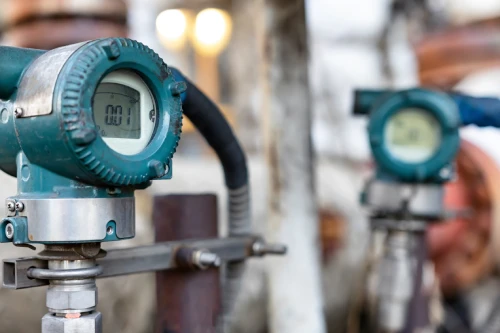
The project aims to develop next-generation gas sensors with ultra-high sensitivity and selectivity for methane and other hazardous gases relevant to the oil and gas sector. It seeks to integrate advanced carbon nanomaterials and metal-oxide nanostructures with RFID technology to enable wireless, compact, and real-time gas monitoring.
A core objective is to achieve detection limits at parts-per-million levels while maintaining sensor stability in harsh petrochemical environments. The project also targets validation of prototype sensors in simulated and relevant operational conditions. Ultimately, it aims to advance sensor technologies toward commercialization and industrial deployment.
Methodology
Outcomes
Key outcomes include validated prototype gas sensors capable of ultra-low methane detection and peer-reviewed scientific publications.
Expected Impact

Environmental Impact
Early detection of methane, one of the most potent greenhouse gases, reducing fugitive emissions and supporting Qatar’s climate commitments.
Safety & Operational Impact
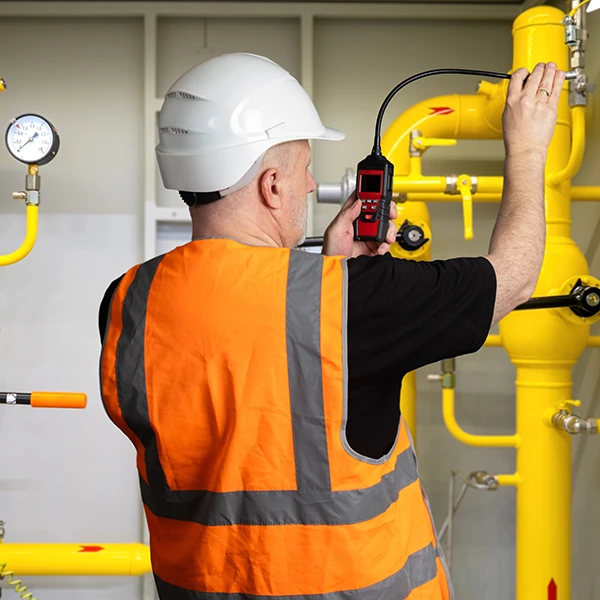
Enhances monitoring capabilities in harsh petrochemical environments, contributing to improved workplace and infrastructure safety.

Technological Innovation
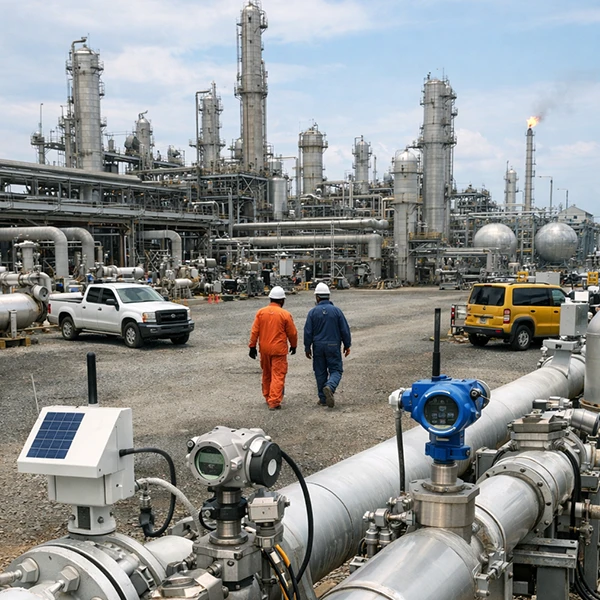
Positions Qatar as a leader in single-atom engineered nanomaterials for industrial applications, advancing sensor technology beyond current global standards.
Economic Impact
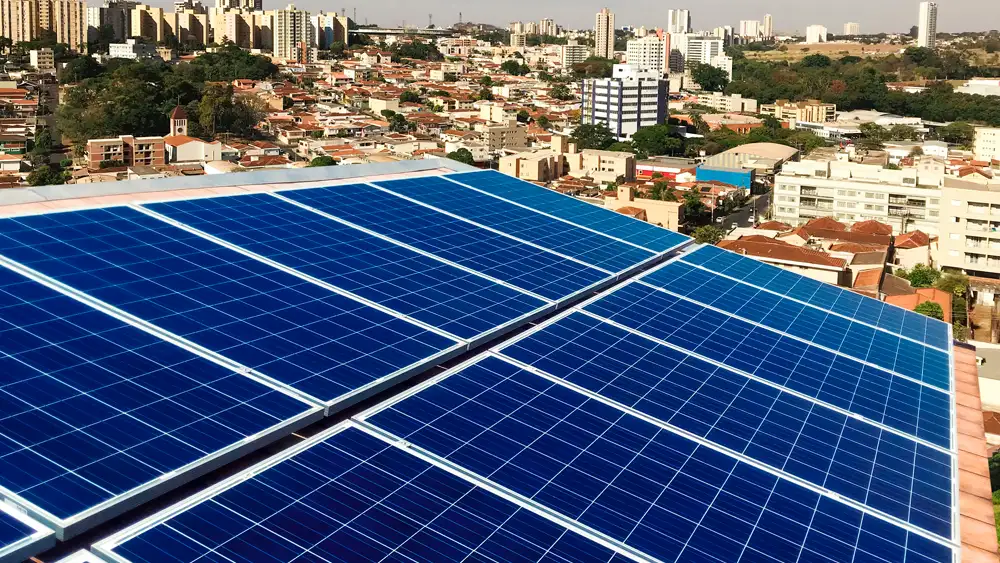
Enables cost-effective methane monitoring, lowering operational risks and potentially opening new markets for Qatari-developed environmental technologies.
Project ID
High Sensitivity & Selectivity Nanomaterials-based Gas Sensors